Temperature Control for Structures That Amplify Heat
Metal Building Insulation in Midland for Facilities Experiencing Condensation, Extreme Interior Temperatures, and High Cooling Costs
Metal buildings without adequate insulation experience rapid temperature swings as the exterior panels absorb solar radiation and conduct heat directly into the interior space. Tucker's ProFoam Insulation, LLC applies spray foam insulation systems to metal building interiors across Midland, addressing the thermal conductivity and air leakage that make these structures difficult to condition. Warehouse operators, shop owners, and industrial facility managers use this service when interior temperatures become unsafe during summer months or when condensation forms on purlins and roof decking during cold mornings.
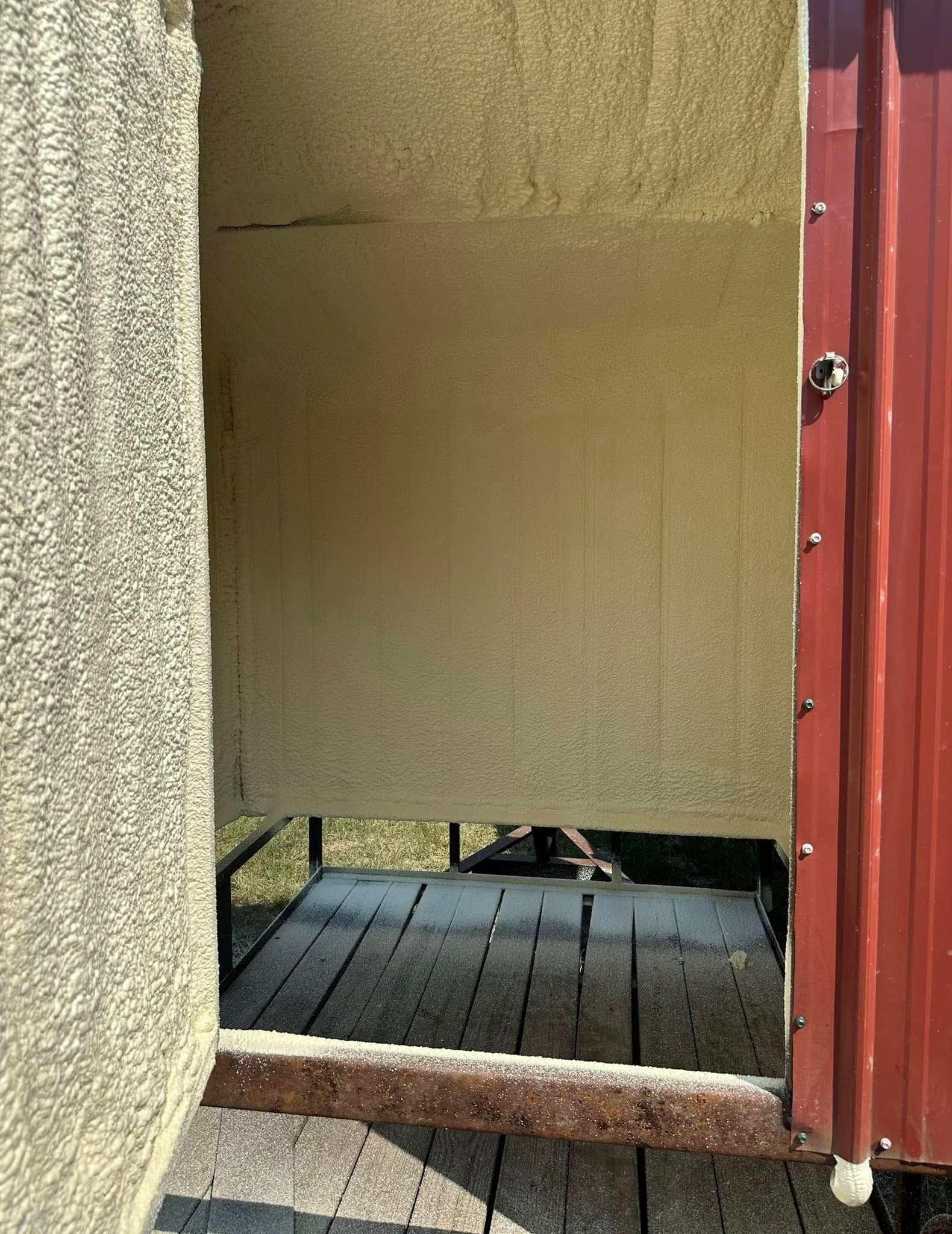
Spray foam insulation bonds directly to metal panels and structural framing, creating a continuous thermal barrier that interrupts heat transfer and seals the countless gaps at panel seams, fastener penetrations, and trim connections. The application addresses both conductive heat gain through metal surfaces and the convective air movement that allows outdoor air to infiltrate through imperfect panel joints. This combination reduces the load on mechanical cooling systems and eliminates the dew point conditions that cause condensation to drip onto equipment or stored materials.
Arrange an on-site assessment to measure current temperature differentials and identify specific areas where heat gain or moisture issues affect building performance.
How Insulation Resolves Metal Building Challenges
The insulation process for metal buildings involves cleaning panel surfaces to remove mill scale or oxidation, then applying closed-cell foam in controlled passes that build thickness without creating excessive exothermic heat. Installers work section by section across walls and roof decking, ensuring complete coverage around structural members where thermal bridging would otherwise short-circuit the insulation layer. The foam adheres to both the metal panels and the purlin or girt framing, rigidifying the structure slightly while eliminating air channels behind the metal skin.
Building occupants notice that interior temperatures stabilize within a narrower range, equipment and stored materials no longer accumulate moisture during overnight temperature drops, and cooling systems maintain setpoint temperatures without running continuously during afternoon heat. The metal panels themselves remain cooler to the touch on the interior side because the foam layer intercepts radiant heat before it reaches the building interior. Shops and warehouses that previously required constant ventilation to exhaust heat buildup can now operate with closed doors and maintain comfortable working conditions.
The insulation system works across different metal building profiles, including post-frame agricultural structures, pre-engineered industrial buildings, and retrofit applications in older metal facilities where original insulation has compressed or degraded. Foam thickness varies based on whether the building houses climate-sensitive equipment, requires specific temperature ranges for processes, or simply needs comfortable conditions for personnel working eight-hour shifts in Texas heat.
Common Questions About Insulating Metal Structures
Property owners considering insulation for metal buildings often ask about application methods, condensation prevention, and how the system performs in structures with large door openings or intermittent use.
How does spray foam prevent condensation in metal buildings?
The closed-cell foam raises the interior surface temperature of metal panels above the dew point, preventing moisture in the air from condensing on cold metal during temperature drops. By eliminating the cold surface and sealing air leaks that introduce humid outdoor air, the system addresses both mechanisms that cause condensation.
What thickness of insulation is required for effective temperature control in Midland metal buildings?
Most commercial and industrial metal buildings receive between two and three inches of closed-cell foam on walls and three to four inches on roof decking, depending on the building's use and whether the space is actively conditioned. Greater thickness provides higher R-values but also increases material cost, so the decision balances energy savings against upfront investment.
Can insulation be applied to existing metal buildings without removing interior finishes?
Spray foam adheres directly to exposed metal panels and framing, so buildings with accessible interior surfaces can be insulated without demolition. If interior walls or ceilings cover the metal structure, access must be created or the insulation applied from the exterior during re-roofing or re-siding projects.
How quickly does the building interior respond to temperature changes after insulation is installed?
The insulation eliminates the rapid heat gain that occurs when uninsulated metal panels absorb solar radiation, so morning warm-up happens more gradually and afternoon peak temperatures arrive several hours later. The thermal mass effect allows HVAC systems to pre-cool spaces during off-peak hours and maintain comfort longer without additional cooling.
What happens if the metal building roof develops a leak after foam is installed?
Spray foam is visible on the interior, so roof leaks often show up as water staining or dripping before they cause hidden damage. The foam itself does not wick water horizontally, so leaks remain localized and repair involves removing the affected foam section after fixing the roof penetration.
Tucker's ProFoam Insulation, LLC evaluates metal building insulation needs based on current temperature conditions, condensation patterns, and energy costs. Contact the team to schedule a walk-through and receive a detailed proposal outlining foam thickness, coverage areas, and expected performance improvements for your specific facility type.