Insulation Systems Built for Operating Cost Control
Commercial Spray Foam Insulation in Midland for Buildings Facing High Energy Loads and Inconsistent Indoor Temperatures
Tucker's ProFoam Insulation, LLC installs commercial spray foam insulation systems across Midland and designs each application around the specific thermal demands of the building. Office managers, warehouse operators, and retail property owners turn to this service when utility costs climb during extreme weather or when HVAC systems struggle to maintain consistent conditions across large spaces. The work addresses both the air leakage that forces equipment to run longer and the thermal bridging that lets outdoor temperatures affect indoor environments.
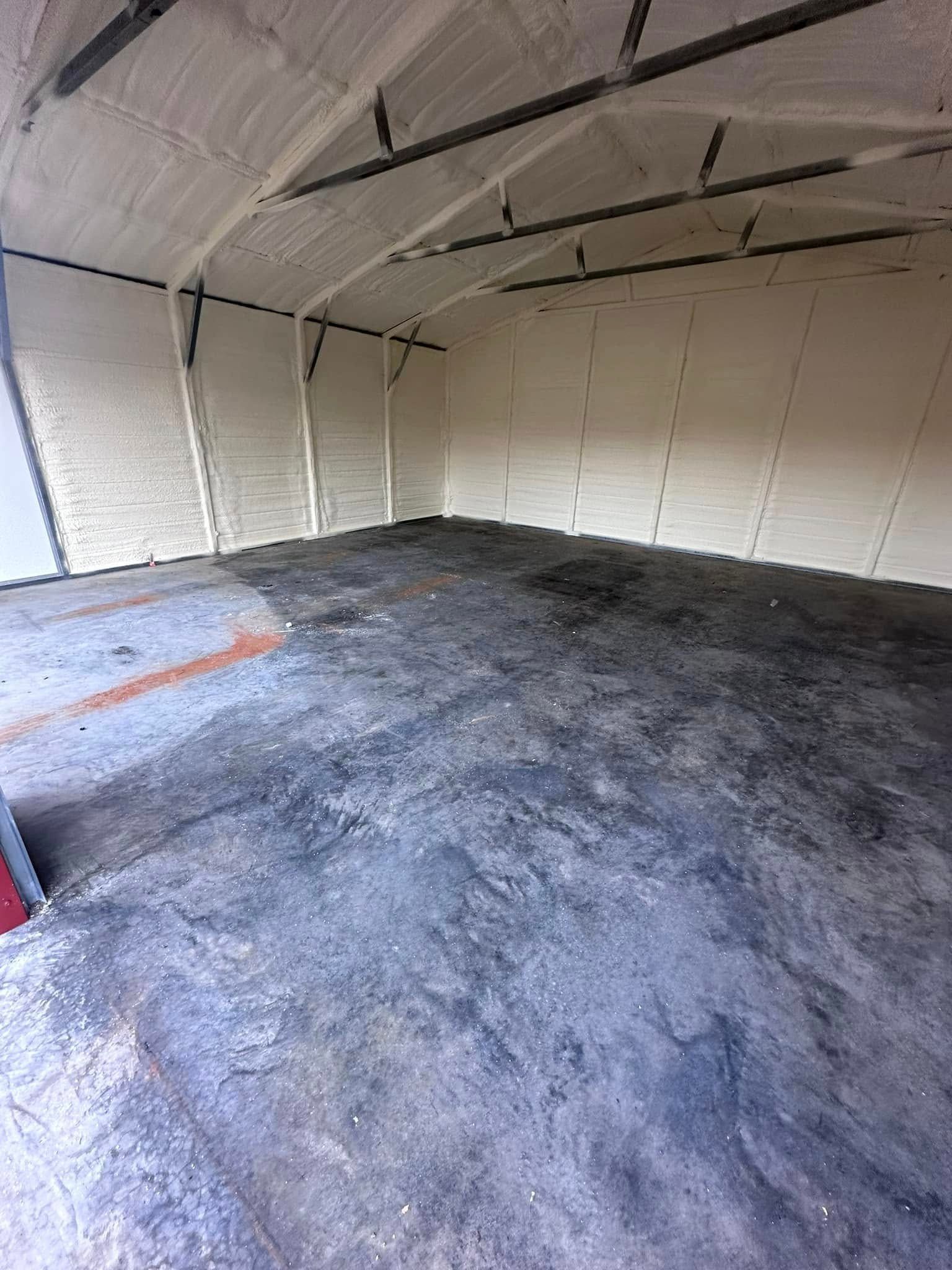
Spray foam insulation for commercial structures creates a continuous air barrier while adding significant R-value to walls, roofs, and other building assemblies. The material expands to fill gaps around structural penetrations, ductwork entries, and junction points where traditional batt insulation leaves voids. In commercial facilities where square footage and ceiling height amplify the cost of conditioned air, this airtight thermal envelope reduces the load on mechanical systems and lowers monthly operating expenses.
Schedule a commercial insulation consultation to evaluate current building performance and identify specific areas where energy loss occurs.
What Commercial Operators Notice After Installation
Spray foam insulation changes how quickly interior temperatures stabilize after the HVAC system cycles and how much run time the equipment requires during peak demand periods. The application process involves surface preparation to remove dust or oil residue, followed by controlled foam application in multiple passes to build the desired thickness without causing heat distortion in substrates. Installers monitor temperature and humidity during application because these conditions affect foam expansion rates and curing characteristics.
Building occupants notice fewer drafts near windows and doors, more uniform temperatures across different zones, and less noise transmission from outside traffic or adjacent tenant spaces. HVAC equipment runs for shorter intervals to achieve setpoint temperatures, and facilities in warehouse or industrial settings see reduced condensation on metal surfaces during temperature swings. Monthly utility statements reflect lower kilowatt-hour consumption as the building envelope no longer fights against outdoor conditions.
The insulation system remains effective across varying commercial uses, from climate-controlled office environments requiring precise temperature regulation to warehouse facilities where thermal mass and ceiling height create stratification challenges. Retrofit applications work around existing electrical and plumbing systems, while new construction projects integrate foam insulation during the framing phase to address thermal bridging at structural connections.
Questions Property Managers Ask Before Installing Commercial Insulation
Commercial insulation projects raise specific questions about application methods, performance expectations, and how the work integrates with building operations.
What preparation does the building require before foam application?
Surfaces must be clean, dry, and free from loose material or contaminants that prevent adhesion. Electrical and plumbing rough-in should be completed, and any areas requiring future access need to be identified so installers can plan around service points.
How does spray foam insulation perform in Midland's climate with high summer temperatures and occasional winter freezes?
The closed-cell foam formulation resists moisture intrusion and maintains R-value across the temperature extremes common in West Texas. The material does not sag, settle, or degrade when exposed to the thermal cycling that occurs in metal buildings or structures with significant solar heat gain.
What factors determine the thickness of insulation applied?
Building code requirements set minimum R-values for commercial structures, but actual thickness depends on the assembly type, whether the space is conditioned or unconditioned, and the client's performance targets. Metal buildings often receive greater thickness on roof decks where radiant heat transfer is most significant.
How does the installation process affect building operations?
Application typically occurs during off-hours or phased over sections to minimize disruption. The material cures quickly, but ventilation is required during and immediately after application, so occupied spaces may need temporary relocation or scheduling adjustments.
What maintenance does spray foam insulation require after installation?
The material requires no ongoing maintenance once cured. Periodic visual inspection confirms that no damage has occurred from roof leaks or mechanical work, but the insulation itself does not compress, settle, or lose performance over time.
Tucker's ProFoam Insulation, LLC works with commercial property owners to assess current building performance and design insulation systems that reduce operating costs while improving occupant comfort. Request a detailed evaluation to identify energy loss areas specific to your facility and review options for improving building envelope performance.