Systems Designed for Large Facility Demands
Industrial Roof Coatings in Midland for manufacturing plants, distribution centers, and storage facilities where roof failure disrupts operations
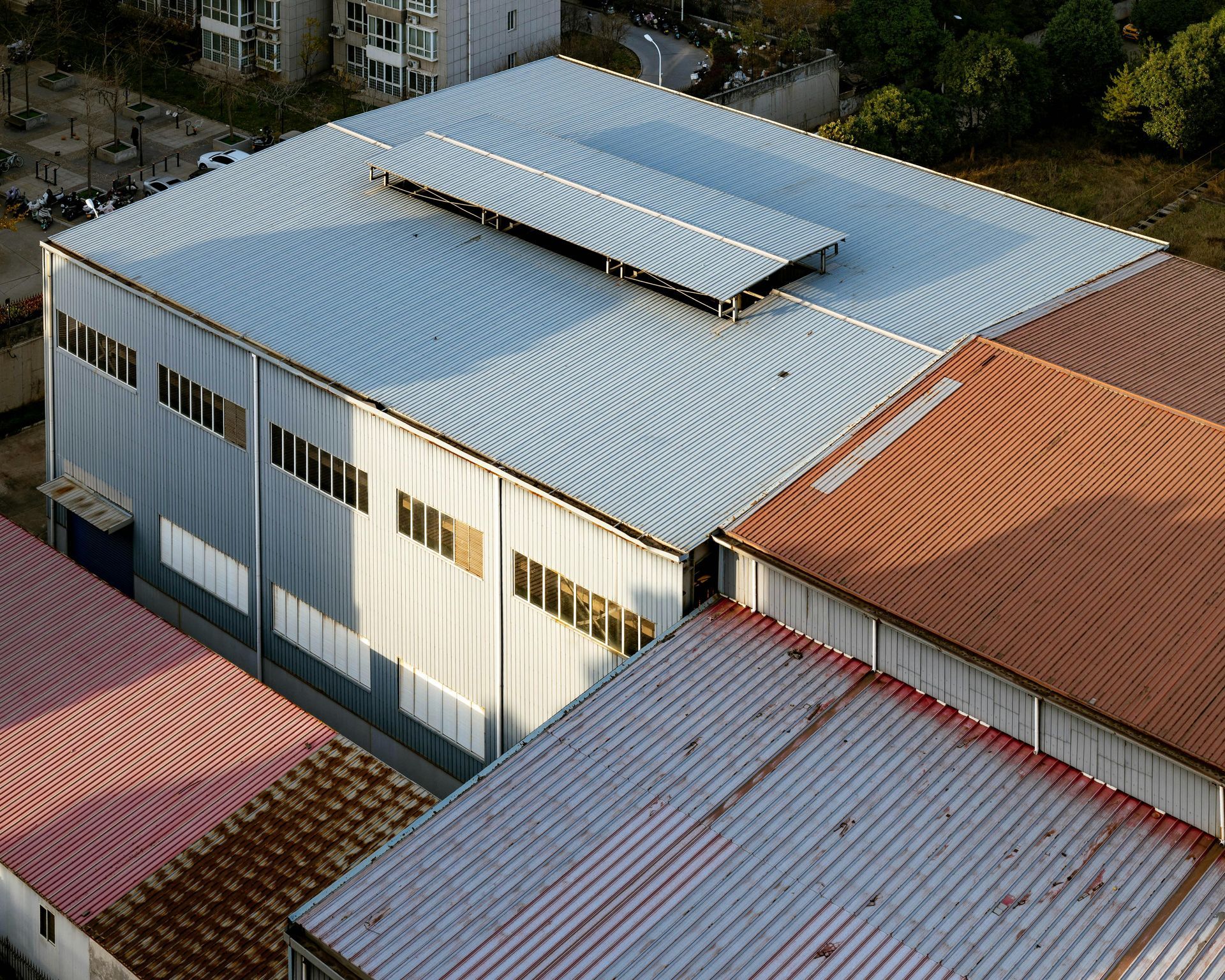
Large industrial roofs in Midland face unique challenges from equipment vibration, chemical exposure, and the sheer span of roofing material that must remain watertight despite minimal slope and high thermal stress. Manufacturing facilities, distribution centers, and industrial plants rely on Tucker's ProFoam Insulation, LLC to apply protective coatings that defend against water intrusion, UV degradation, and the accelerated wear that occurs on roofs covering high-value operations where downtime is costly. The coating systems used in these environments are formulated to withstand chemical exposure, resist abrasion from foot traffic and equipment, and maintain adhesion across large surface areas where expansion and contraction occur continuously.
Industrial roof coating involves detailed surface preparation to remove contaminants such as oils, dust, and oxidation that interfere with adhesion, followed by repair of rusted fasteners, failed seams, and areas where water has already penetrated. The coating is applied in multiple passes to build a thick, durable membrane that can handle the mechanical stress and environmental exposure typical of industrial roofing systems. This process minimizes operational disruption because it does not require the removal of existing roofing material or extensive structural modifications that would halt production.
Schedule a facility roof consultation to evaluate current damage and determine coating specifications for your operation.
With our roof coating you will never have to replace or repair your roof again due to leaks or hail damage from a storm.
What Changes After Coating Completes
Once the coating system cures, the roof surface becomes a continuous barrier that stops leaks at seams, fasteners, and roof penetrations where water previously entered during heavy rains. You'll notice that interior spaces no longer require tarps or drainage measures during storms, and equipment or inventory is no longer at risk from water damage that disrupts operations and creates costly losses.
The coating reflects solar radiation, which reduces the thermal load on the building and lowers cooling costs in facilities where temperature control is critical for processes, employee comfort, or product storage. Industrial facilities in Midland operating large HVAC systems see measurable reductions in energy consumption during summer months when roof surface temperatures on uncoated metal or built-up roofs routinely exceed 170 degrees.
The system extends the functional life of the existing roof by years, but it does not replace structural components such as decking, insulation, or support framing that may also require attention. Facilities with significant roof deflection, ponding water that does not drain within 48 hours, or structural damage need those issues addressed before coating can provide effective long-term protection.
Answers to Frequent Service Questions
Facility managers throughout Midland, Odessa, and West Texas industrial markets ask detailed questions about application logistics and performance expectations for large-scale projects.
What types of industrial roofs can be coated?
Metal panel roofs, modified bitumen systems, built-up roofing, and single-ply membranes are all candidates for coating as long as the substrate is structurally sound and properly prepared before application.
How does coating affect roof warranties?
Coating can void existing manufacturer warranties on some roofing systems, so it's important to review warranty terms and weigh the cost of maintaining warranty coverage against the benefits of extending roof life through coating.
Can coating be applied while the facility remains operational?
Most industrial coating projects are completed without halting production, although coordination is required for areas near roof access points, exhaust vents, or equipment that cannot be shut down during application.
What maintenance is required after coating?
Periodic inspections to check for debris buildup, drainage issues, and mechanical damage from equipment or foot traffic help ensure the coating continues to perform, and minor damage can be repaired with localized coating application before it spreads.
How does weather in West Texas affect coating performance?
Coatings formulated for high UV exposure and extreme temperature swings perform well in Midland's climate, where daily temperature changes and intense summer sun accelerate the breakdown of roofing materials that lack protective surface layers.
Tucker's ProFoam Insulation, LLC works with industrial facility managers across West Texas to design and apply coating systems that protect assets and minimize operational disruptions. Contact us to arrange a detailed roof evaluation and receive a coating recommendation based on your facility's specific conditions and operational requirements.